C1
Subjunctive Mood
It's essential that he be on time, I suggest she go: formal subjunctive in that-clauses.
Advanced level: subjunctive, inverted conditionals, nominalisation, ellipsis, complex passives and more.
It's essential that he be on time, I suggest she go: formal subjunctive in that-clauses.
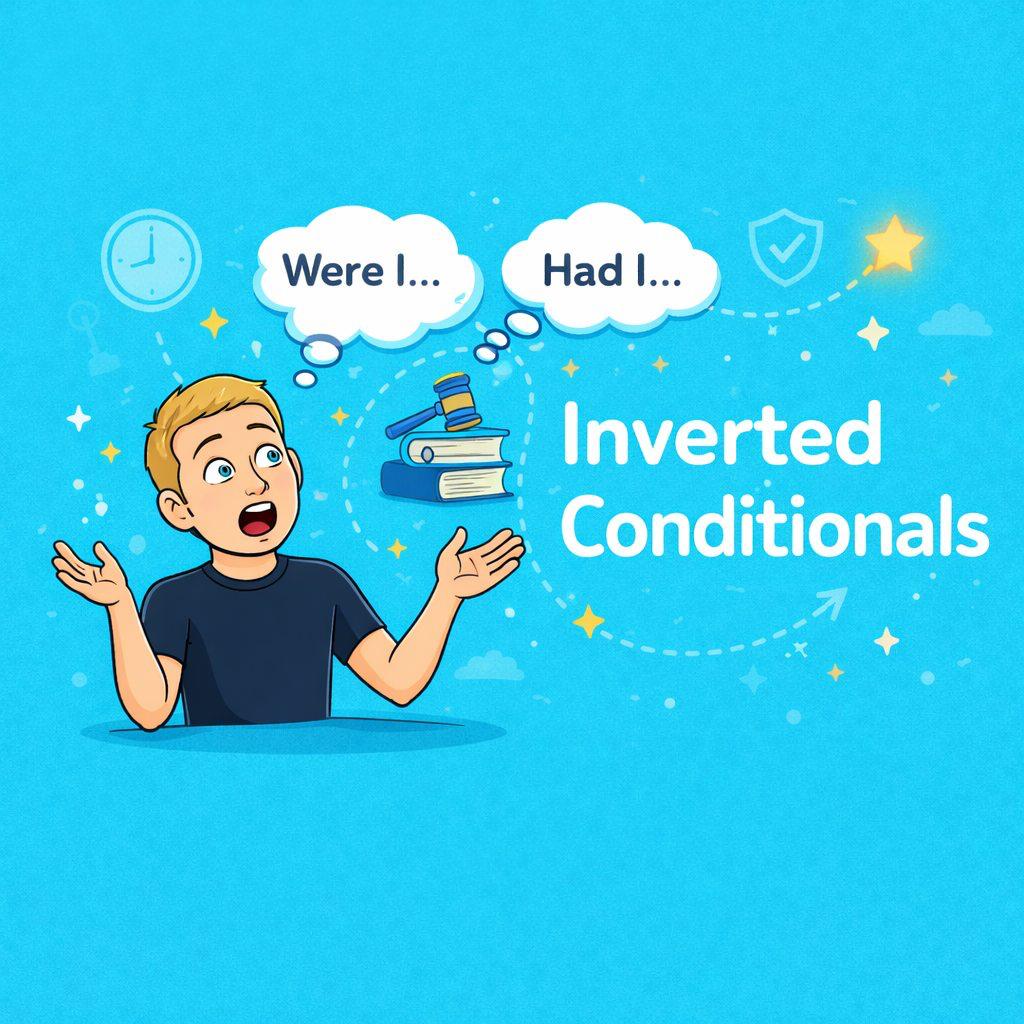
Were I to go, Had she known, Should you need help: formal inversion instead of if.
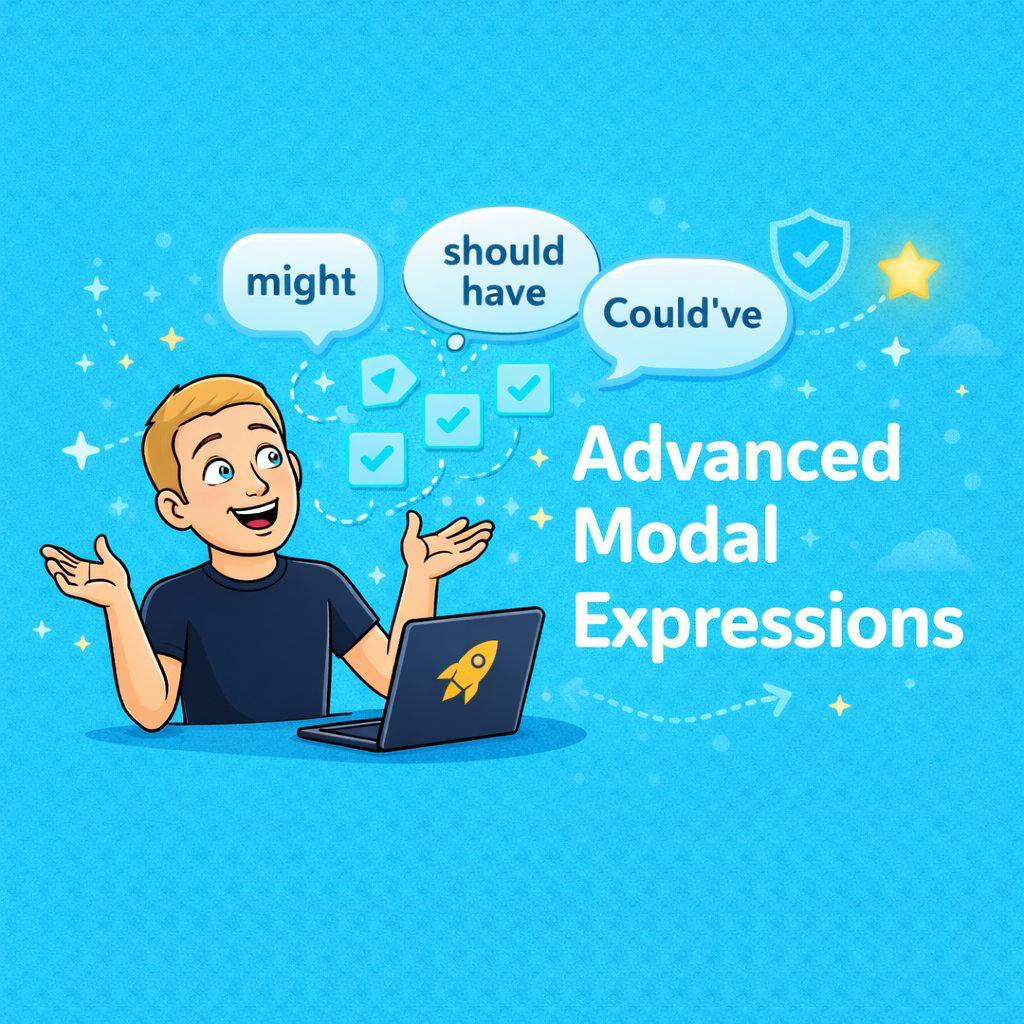
would rather she stayed, it's time he left, be supposed to, had better: complex modal patterns.
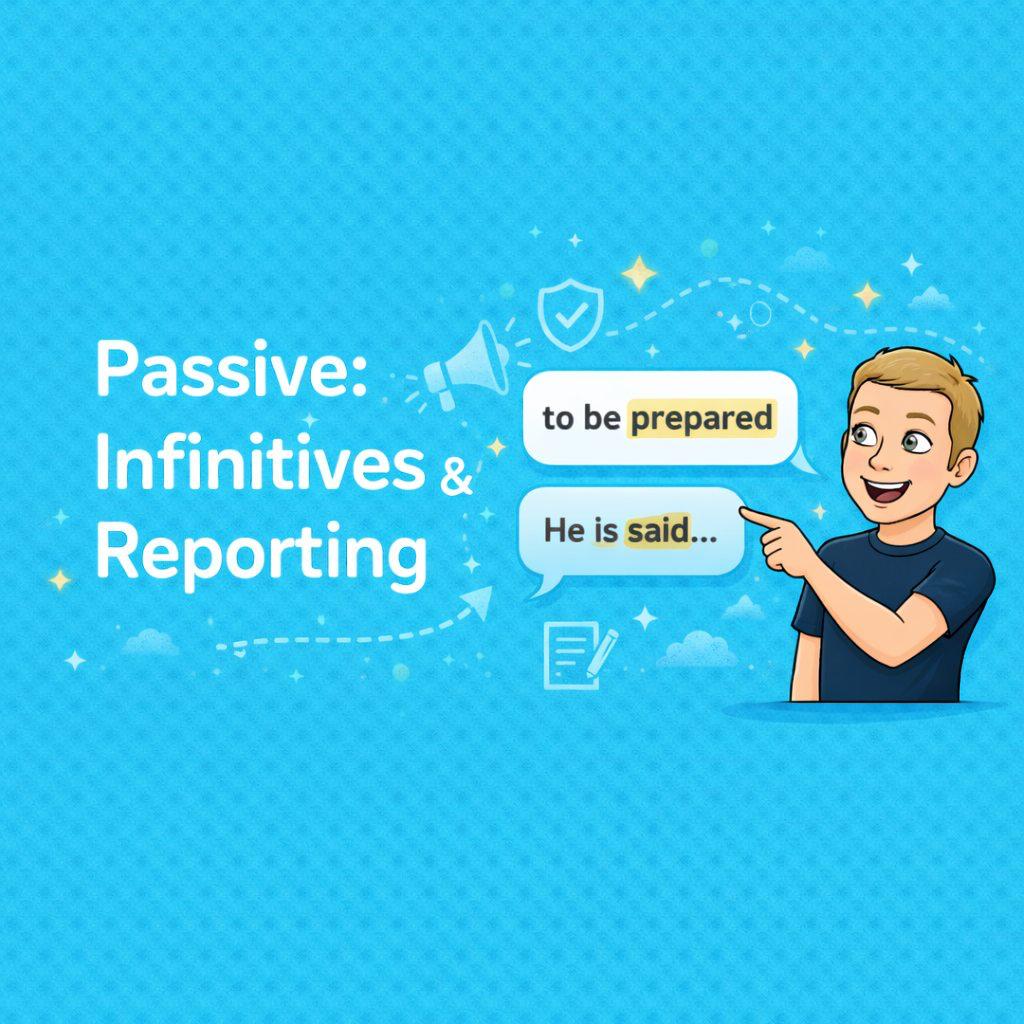
She is thought to have left, He is believed to be: passive with reporting verbs and infinitives.

She had her bag stolen, He was made to wait: causative passive and two-object passives.
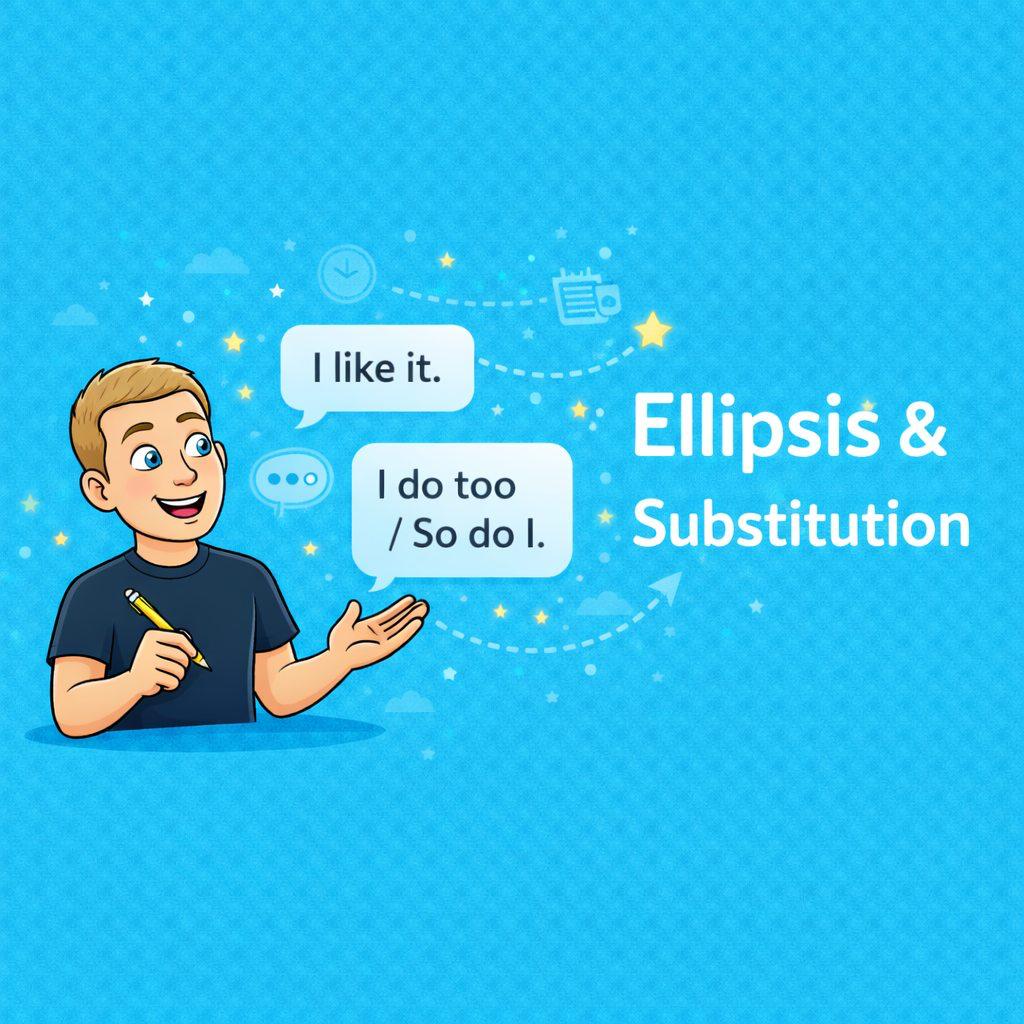
so do I, neither did she, I did too, do so: avoiding repetition in formal and informal English.
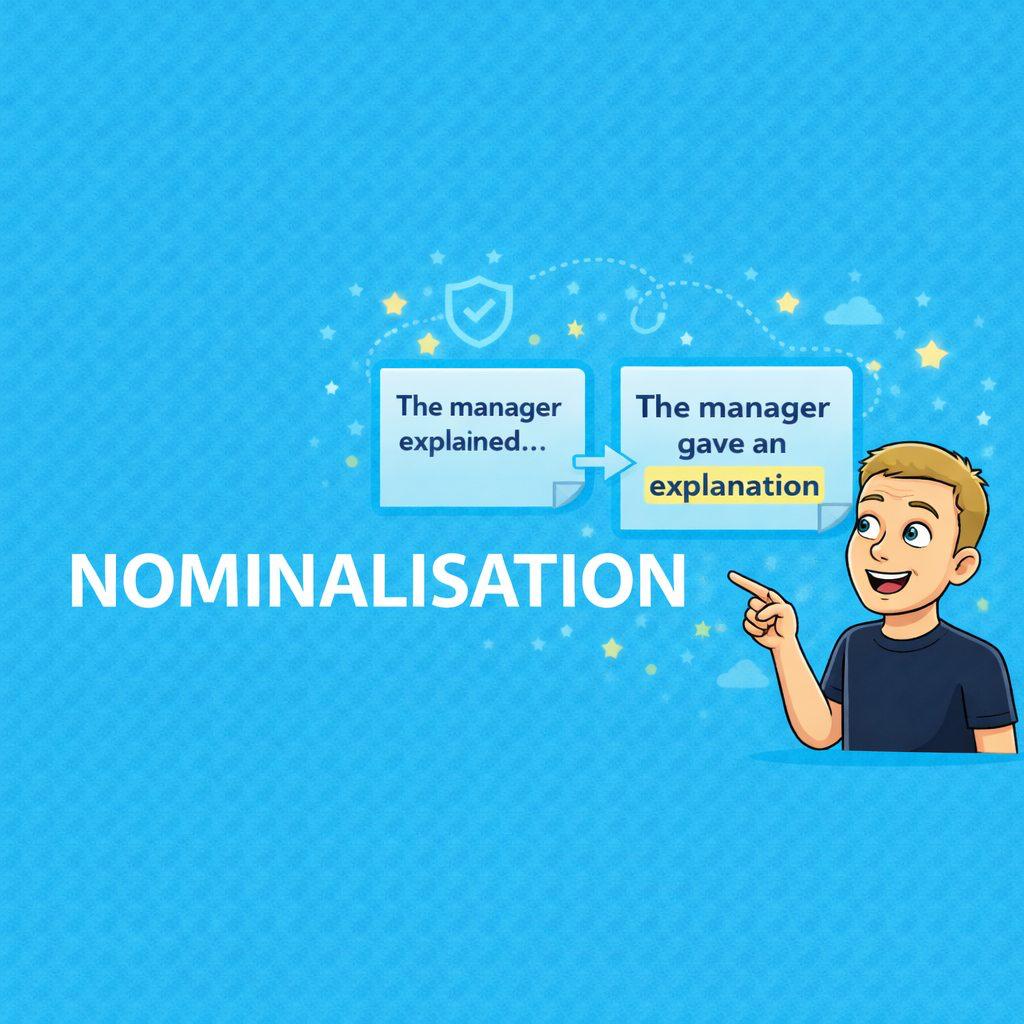
the increase in prices, a reduction in costs: turning verbs and adjectives into noun phrases.
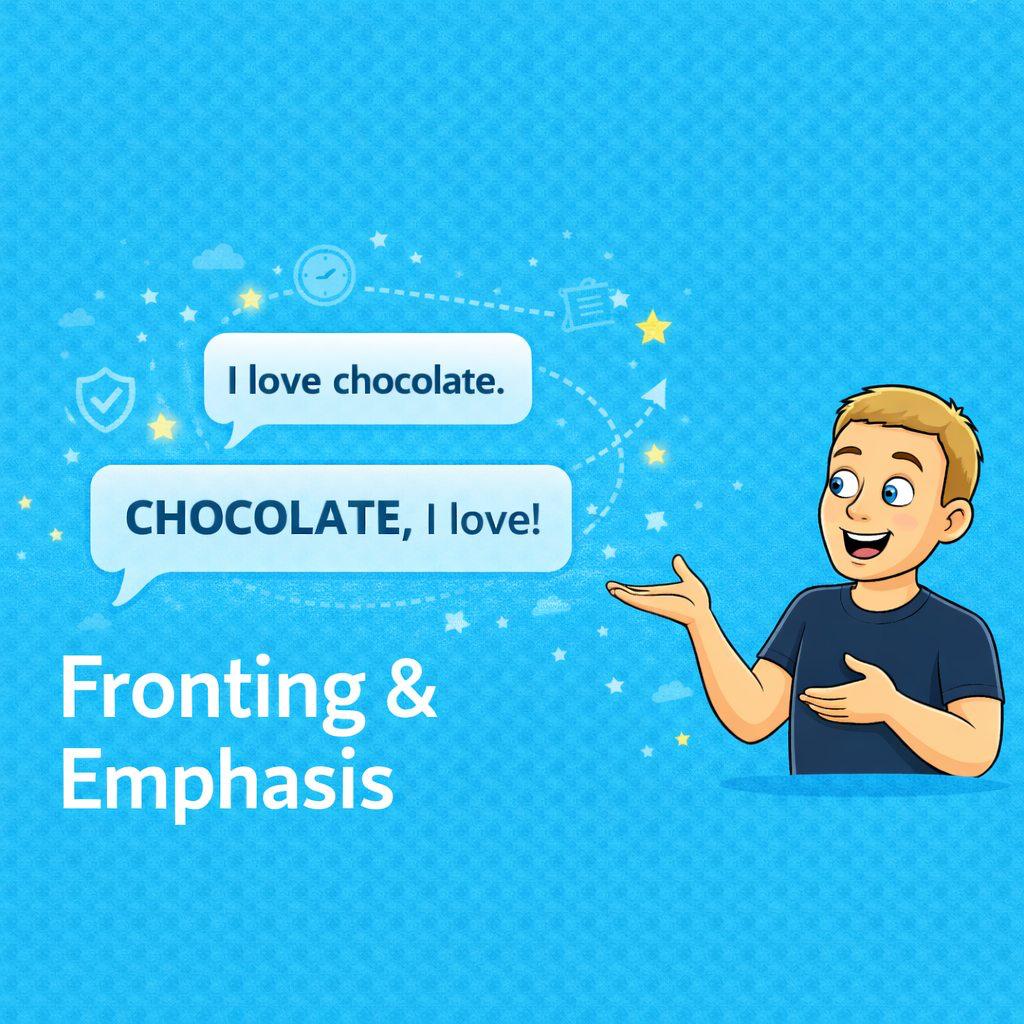
What I need is rest, Not once did she apologise: moving elements to the front for emphasis.
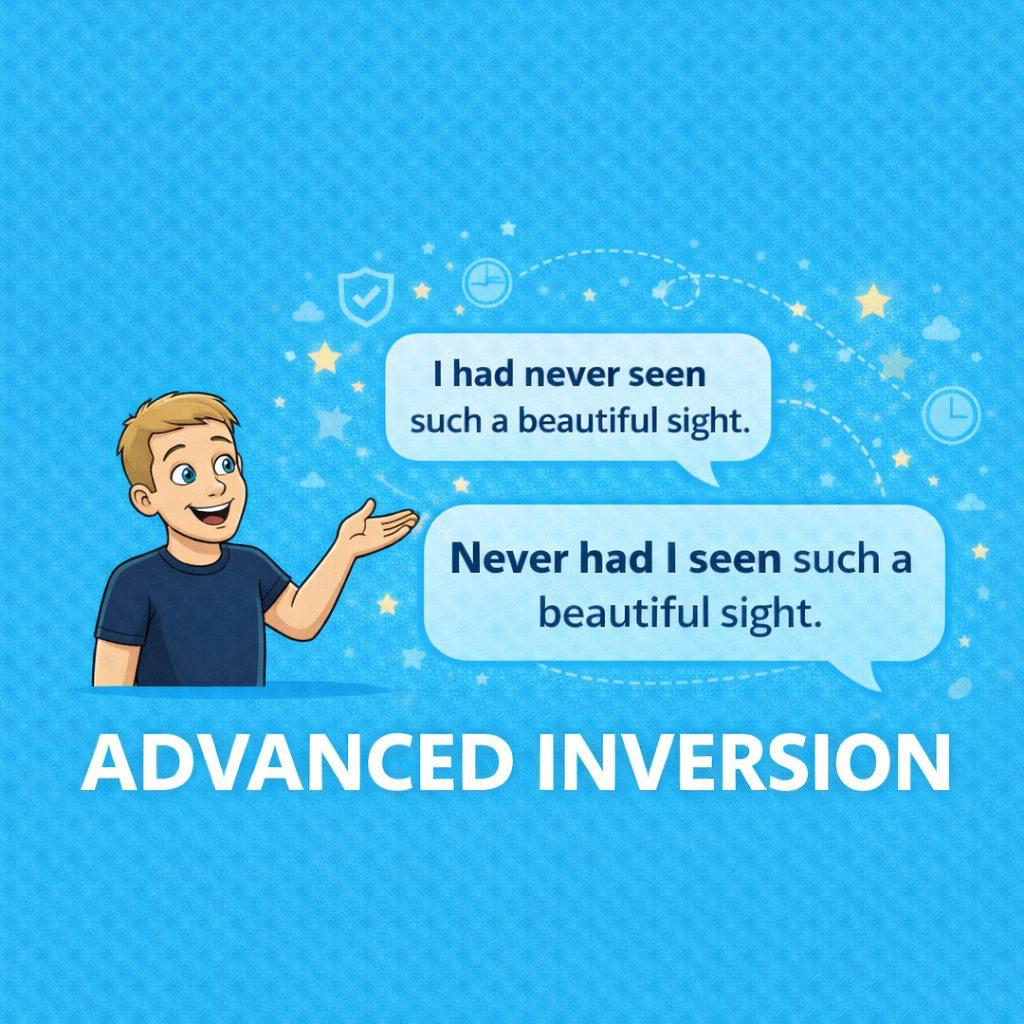
Little did I know, Rarely has he been seen, Under no circumstances: extending inversion patterns.
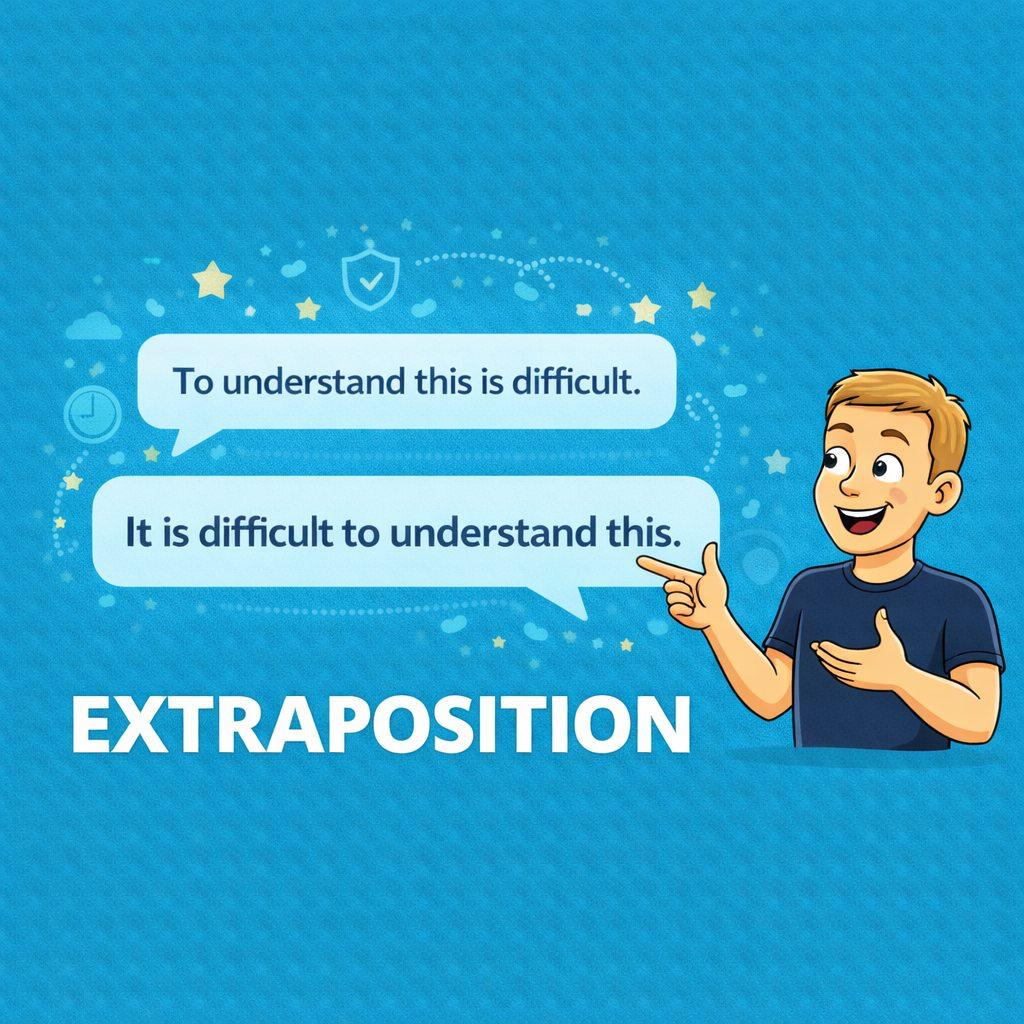
It is important that..., It seems unlikely that..., It was decided to: placing clauses after it.
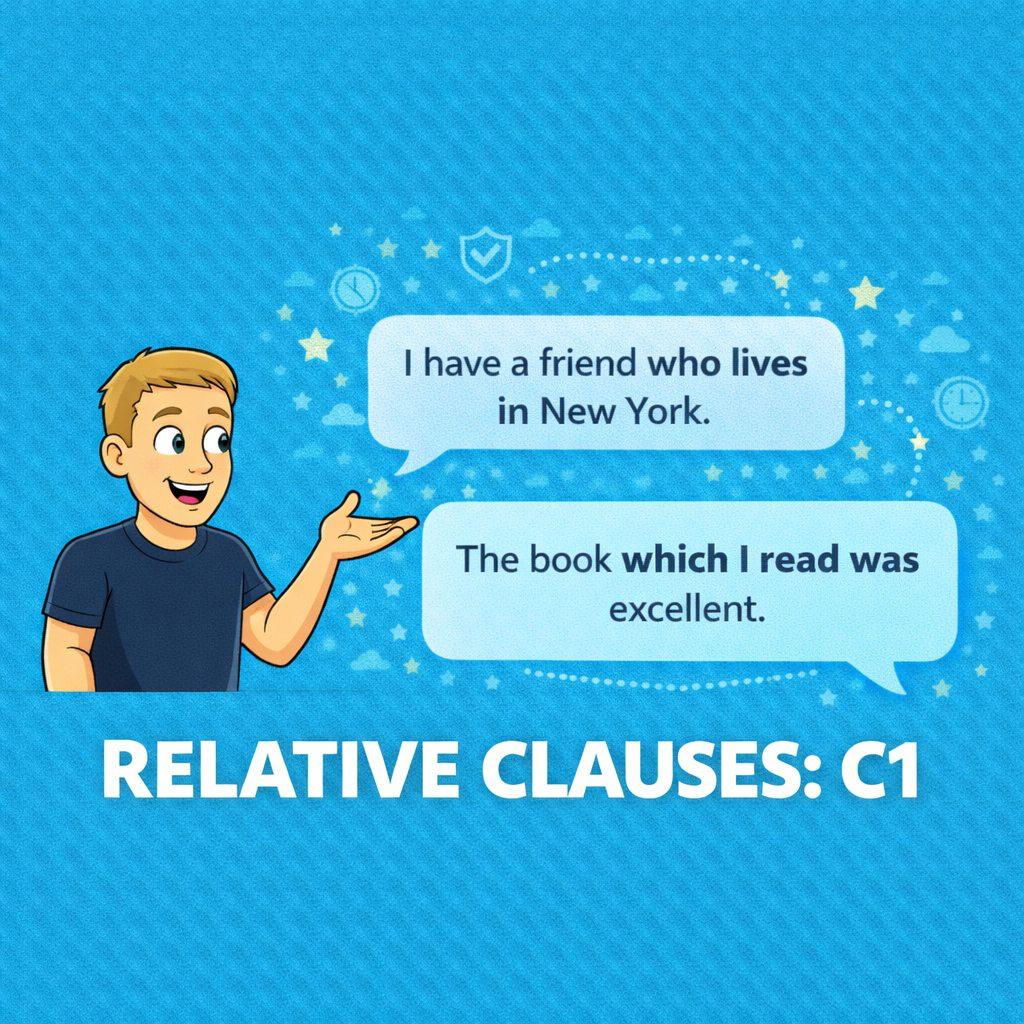
whereby, the reason why, whoever, whatever: advanced relative and nominal relative clauses.
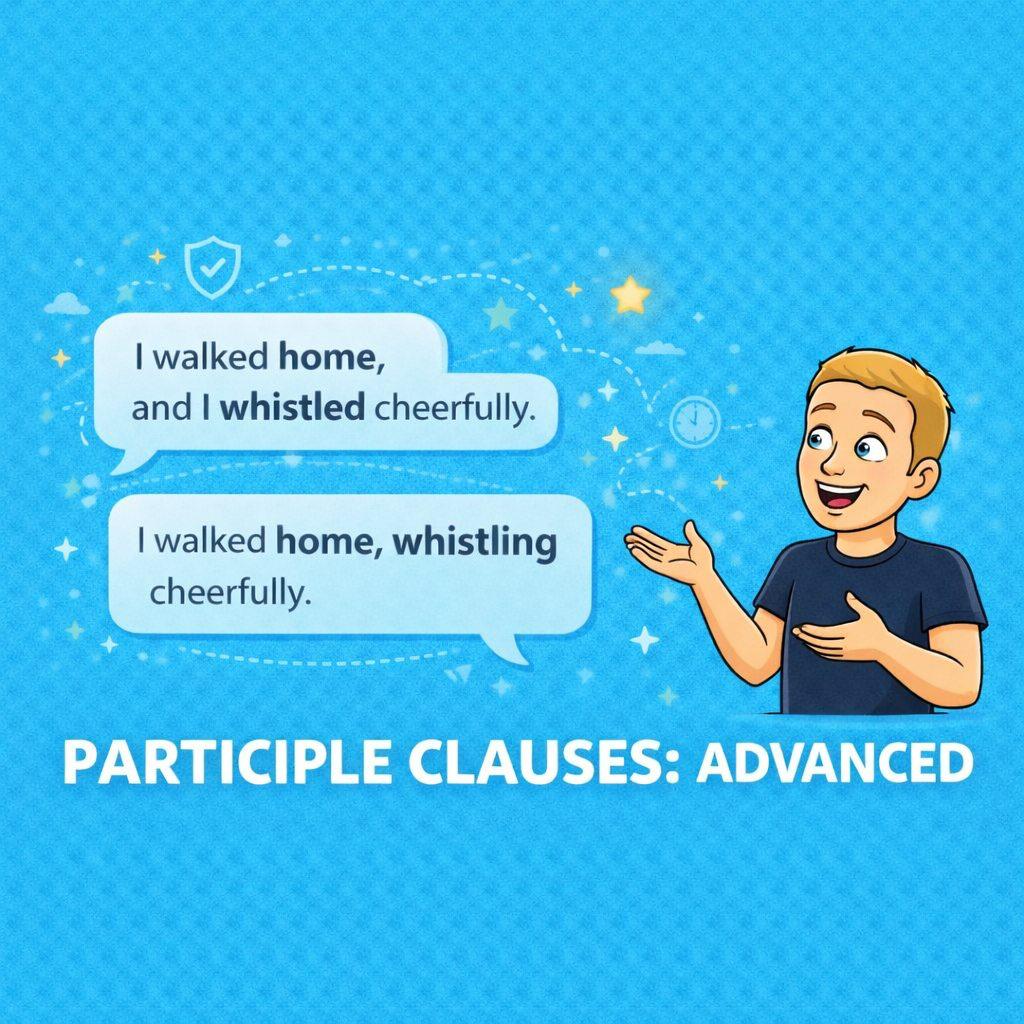
Having been told, Not knowing what to do, Given the situation: passive and negative participles.
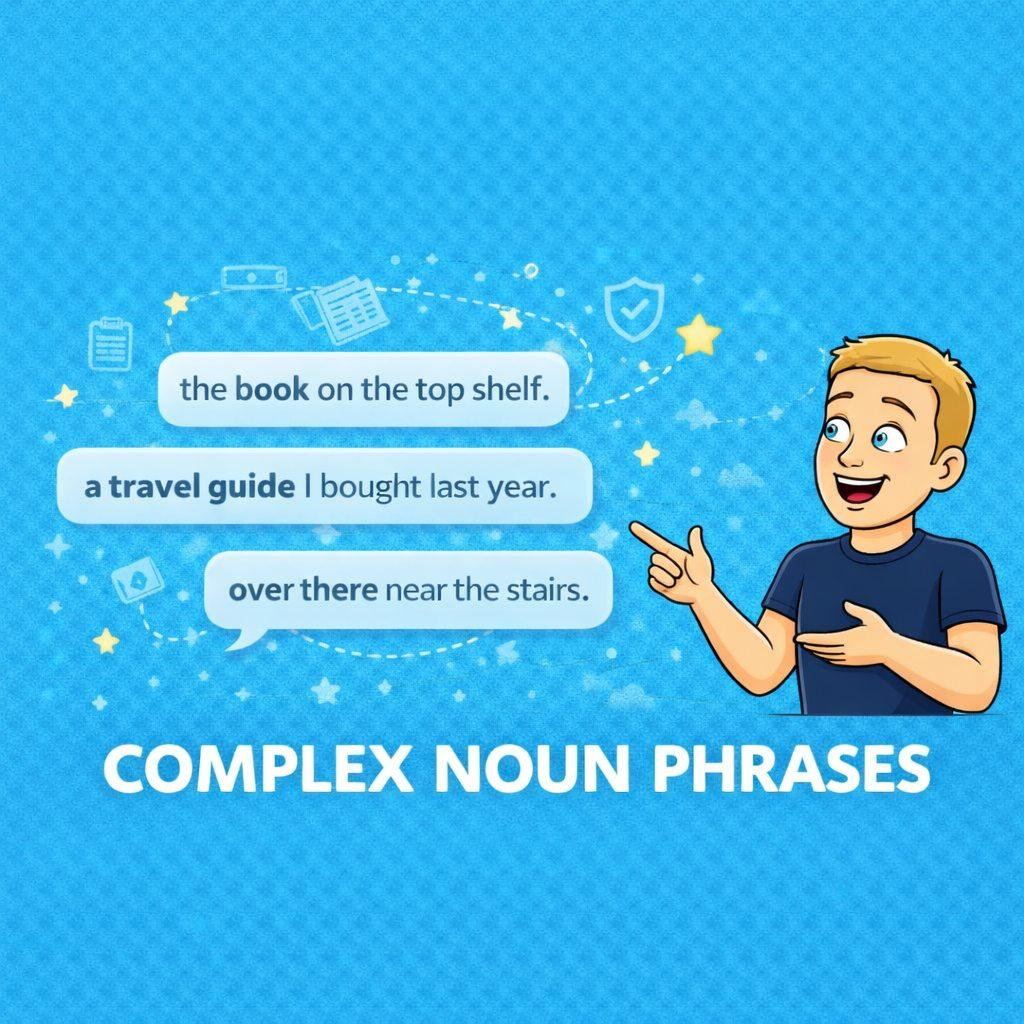
a rapidly growing company, the decision to leave early: pre- and post-modification of nouns.
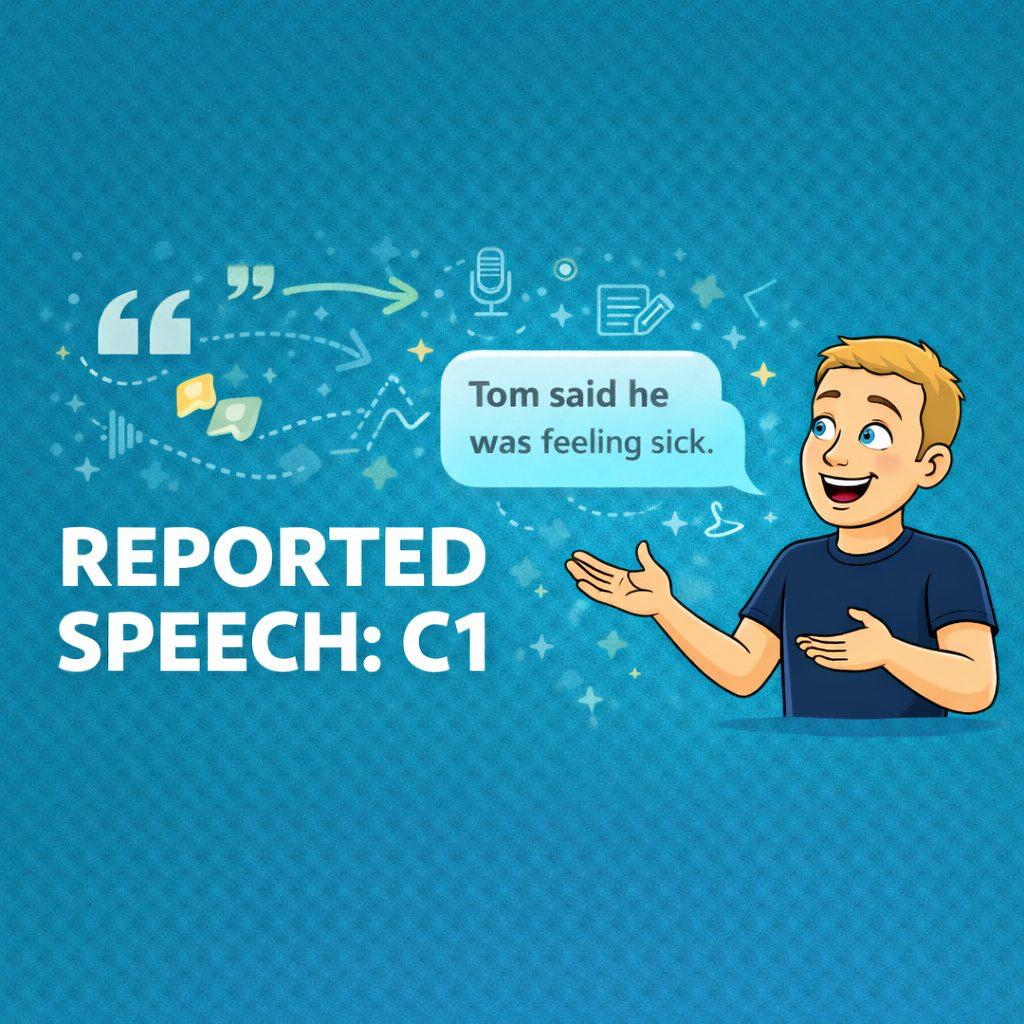
He denied having done it, She urged him to stay, They warned us against: advanced reporting verbs.
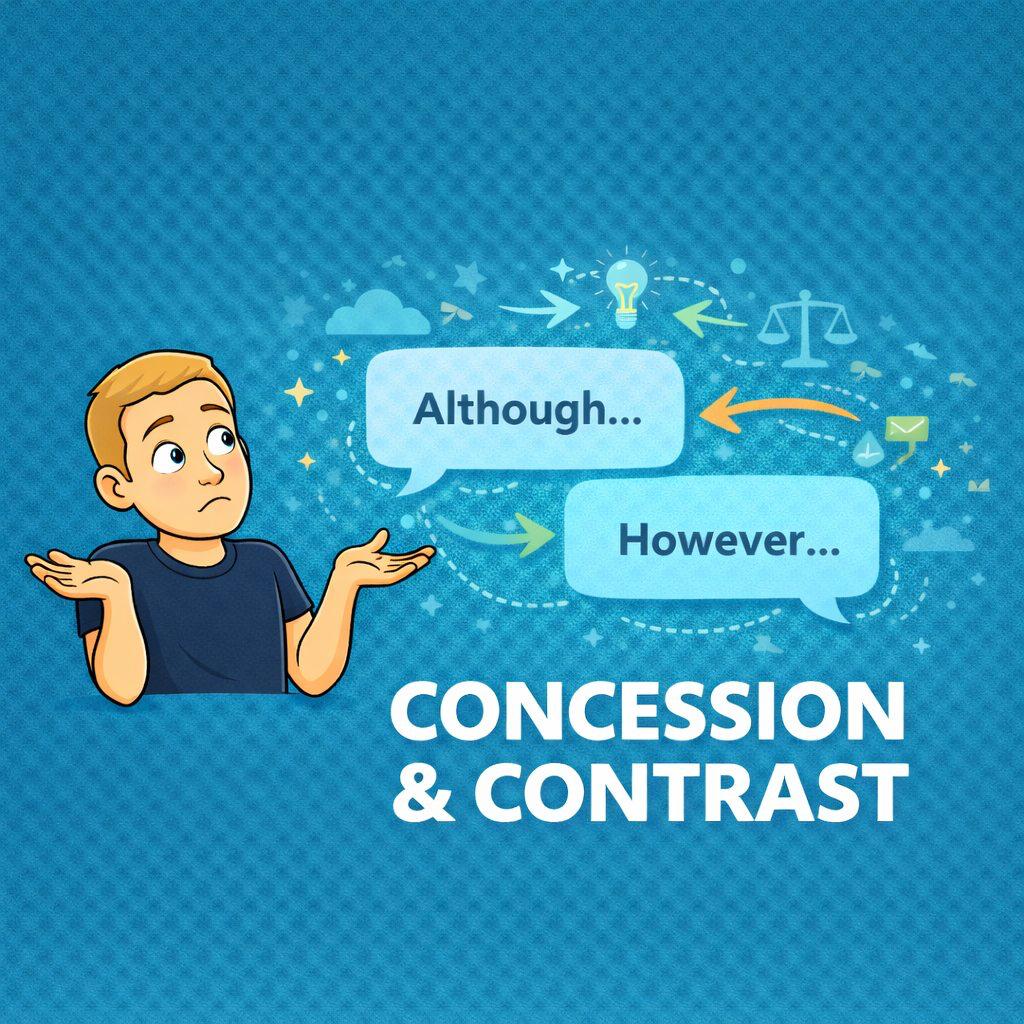
albeit, whereas, even so, much as I like him: advanced ways to express contrast and concession.
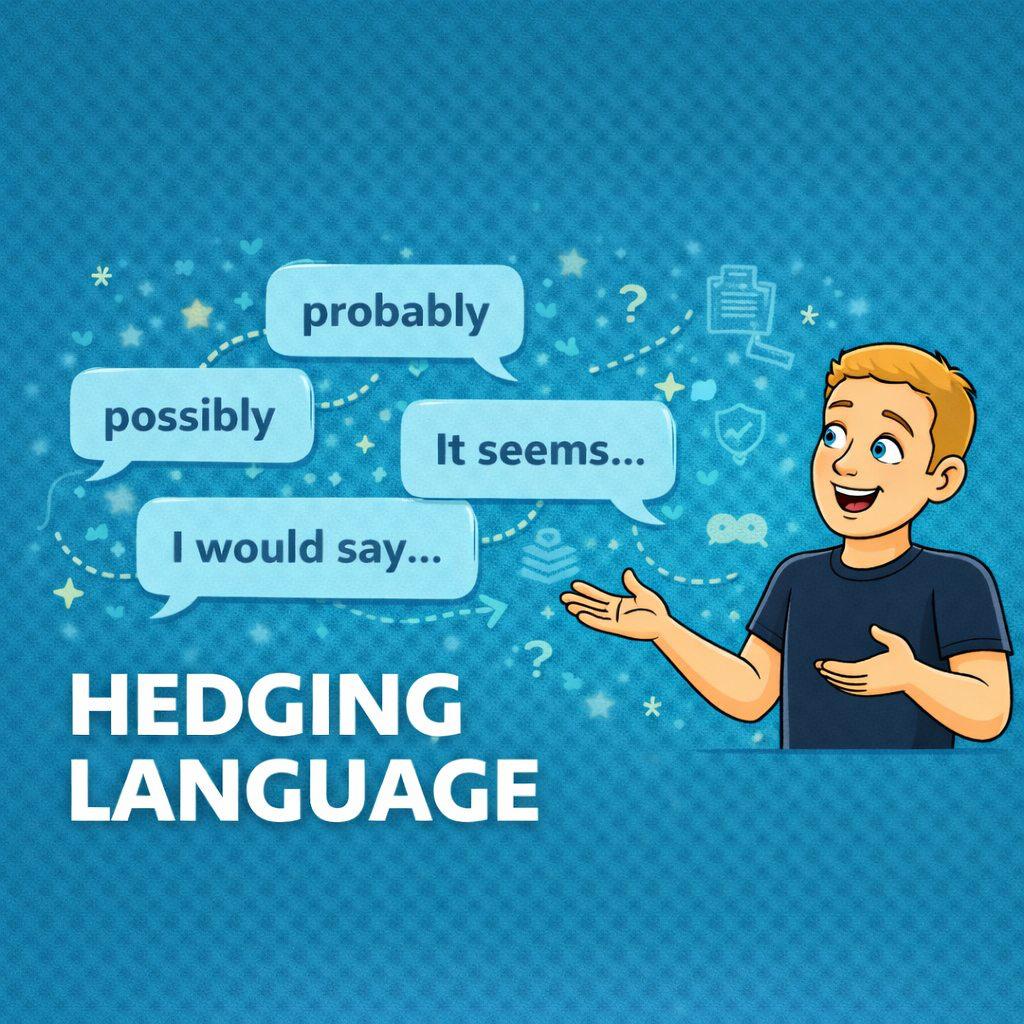
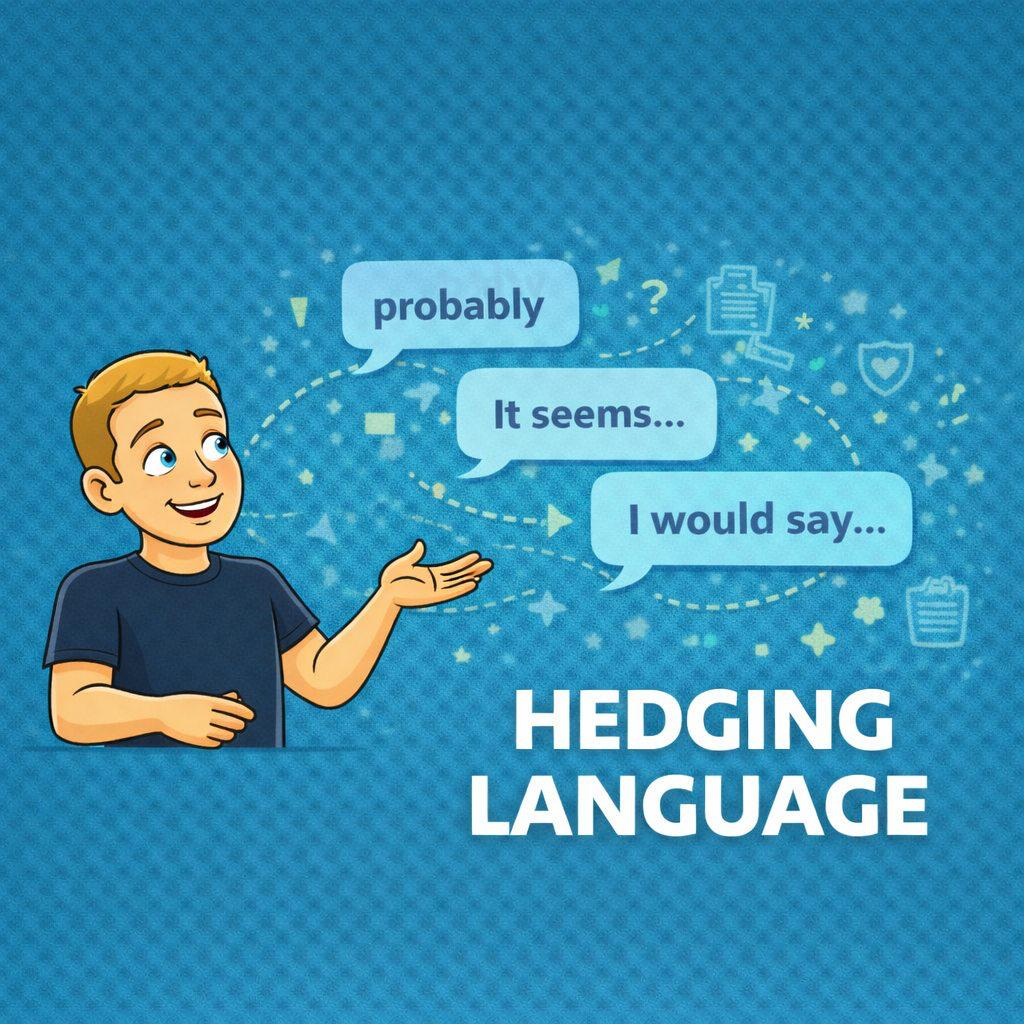
It seems that, it would appear, tends to, is thought to: being tentative and cautious in academic writing.
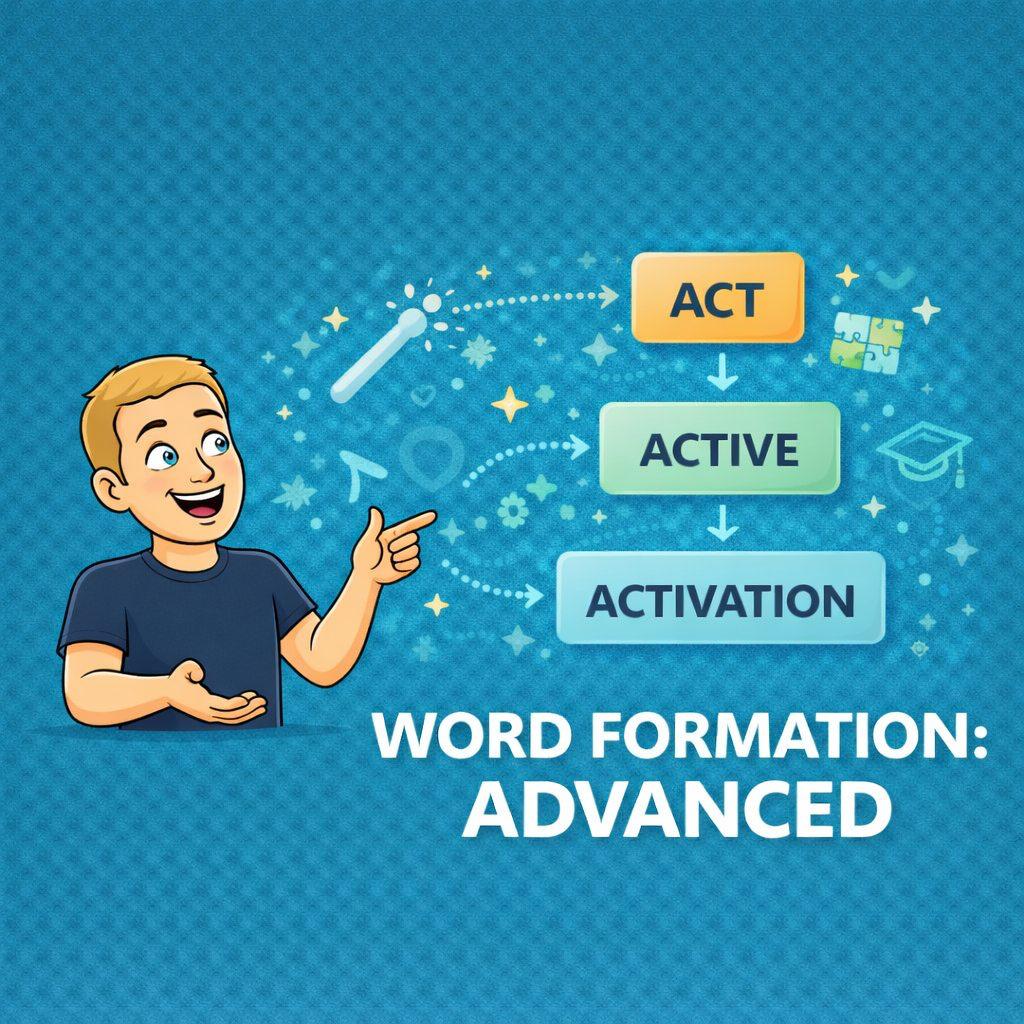
mis-, under-, over-, -ity, -ness, -tion: prefixes, suffixes and compound formation at C1 level.
notwithstanding, by the same token, in so far as: high-level connectors for formal writing.
More exercises coming soon
New topics are added regularly, so check back soon.